













About NRCP
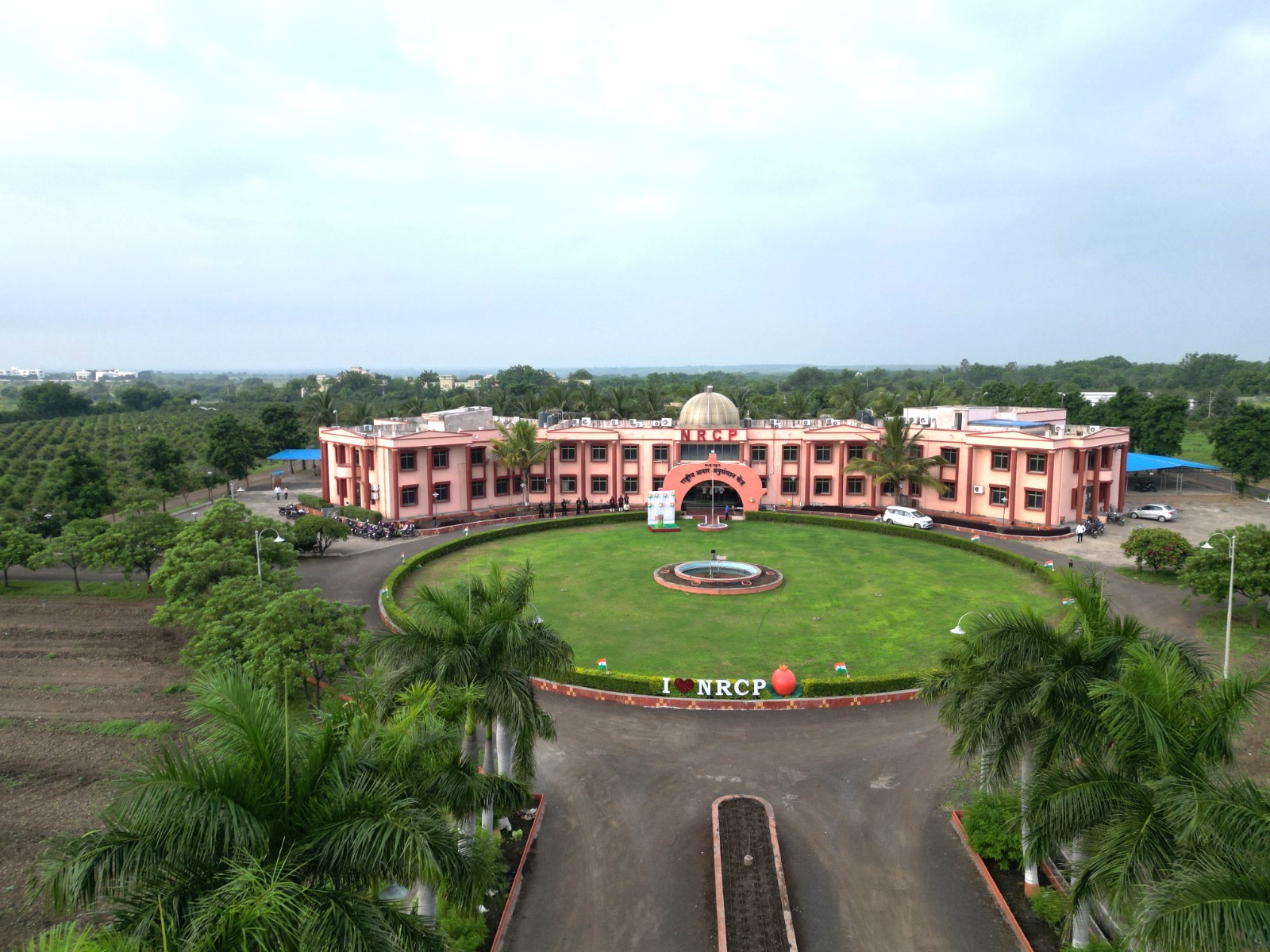
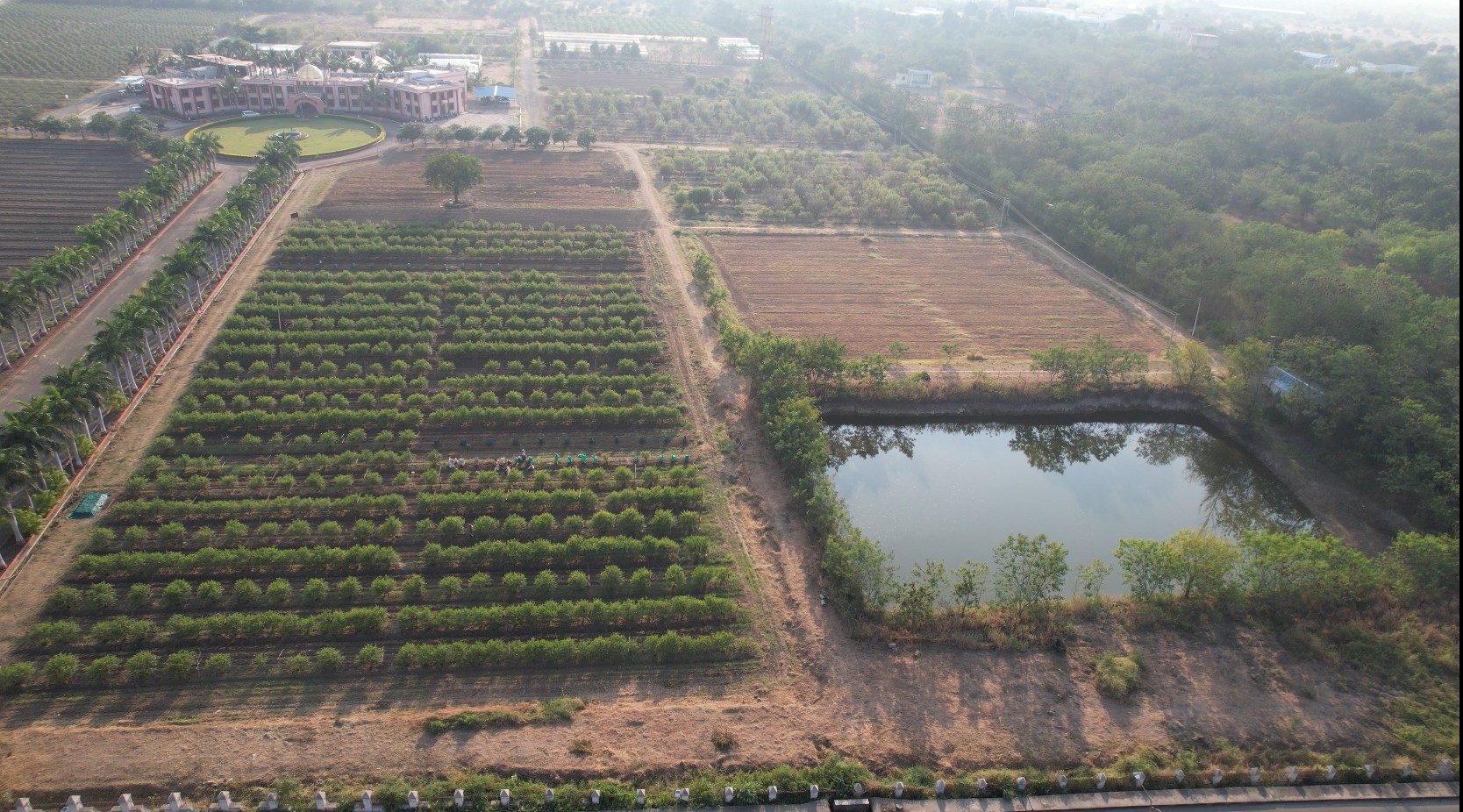
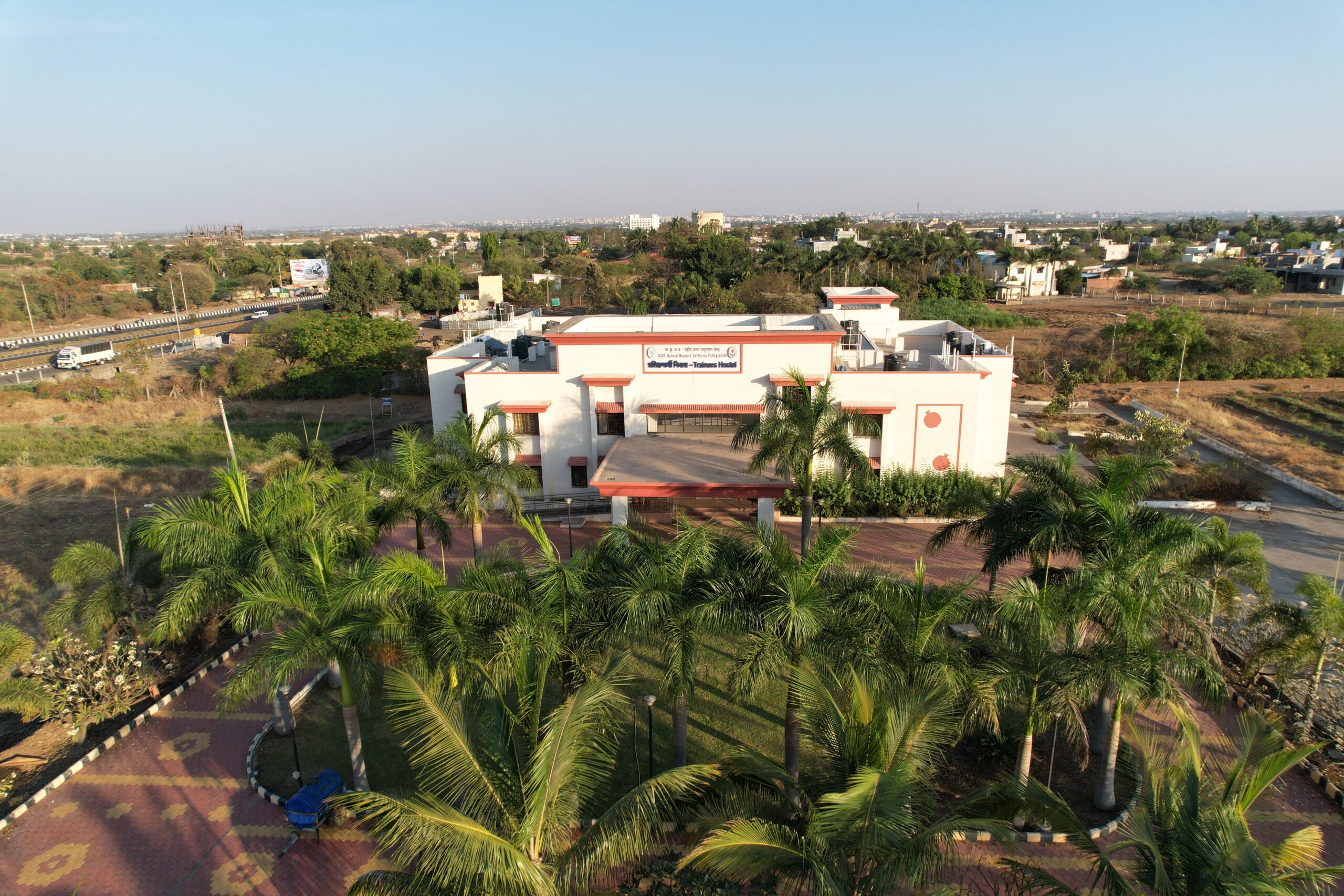
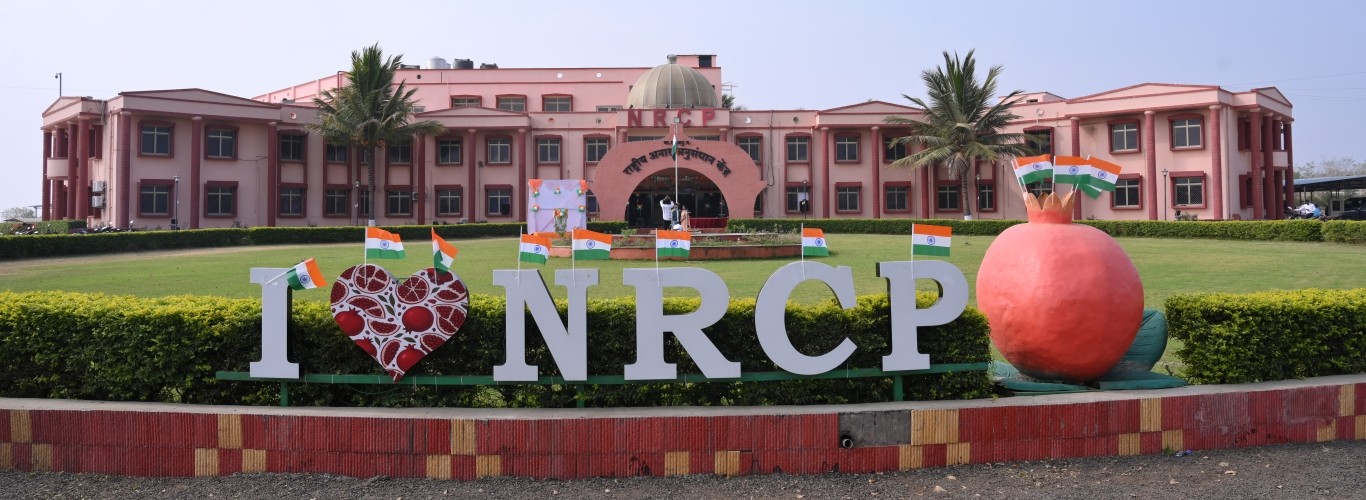
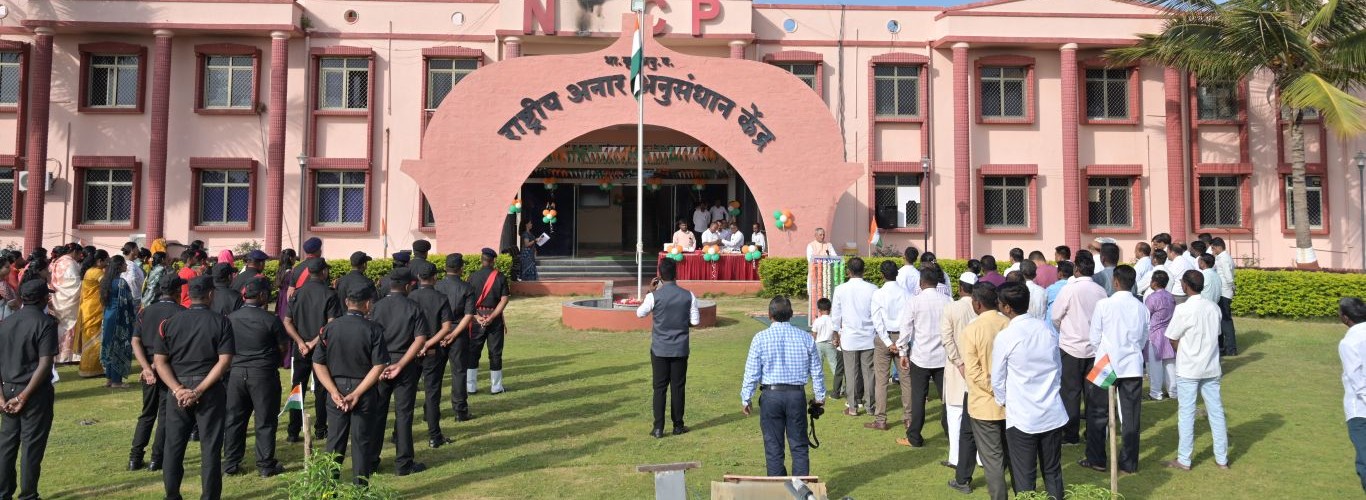
The ICAR – National Research Centre on Pomegranate, Solapur (Maharashtra), was established on June 16, 2005 by the Indian Council of Agricultural Research, New Delhi, as a step to strengthen research and development in pomegranate. This is the only institute working solely on pomegranate.
Pomegranate is a high value crop. Apart from its demand for fresh fruits, the processed and value added products like pomegranate juice, ready-to-serve beverage, wine, minimally processed arils and seed oil are also gaining importance in world trade. All parts of pomegranate tree have great therapeutic value and high potentiality for multipurpose use. Demand in the international market has widened the scope for earning higher dividends from this crop. It is an ideal crop for the sustainability of small holdings, as pomegranate is well suited to the topography and agro-climate of arid and semi-arid regions.